living room decor: create a space that feels like you
Designing a living room is more than picking a sofa and a paint color; it’s about shaping a backdrop for everyday life. A successful space supports how you live—hosting, lounging, working, reading—and it should reflect your personality without shouting. This guide walks through practical choices, creative strategies, and hands-on tips to help you make a living room that looks intentional and works effortlessly.
start by defining purpose and priorities
Before you buy anything, list what you actually use the room for. Do you need a media zone, a reading nook, and storage for kid’s toys? Clarifying functions curbs impulse purchases and clarifies spatial needs.
Think about who uses the room and when: quiet mornings, weekend gatherings, or weekday movie nights. That rhythm will dictate zones, seating capacity, and durable materials.
Set non-negotiables early—comfort, storage, or a pet-friendly fabric—and rank them. Making these choices up front saves time and helps you steer decisions when options start to feel overwhelming.
define a style that suits you
Style is a shorthand for tastes, not a rigid rulebook. Whether you gravitate to mid-century lines, modern minimalism, or layered eclecticism, aim for a coherent thread that ties pieces together. Cohesion provides calm; contrast adds personality.
Collect visual references: a photo, a magazine clipping, or a saved board. I keep a small folder of images that show light, scale, and color I like—when shopping I use it as a compass to avoid impulse buys that don’t match.
Don’t feel compelled to match a single “look” exactly. Mix eras and textures with a unifying element like color, material, or scale to create depth without chaos.
choose a color palette that works for life
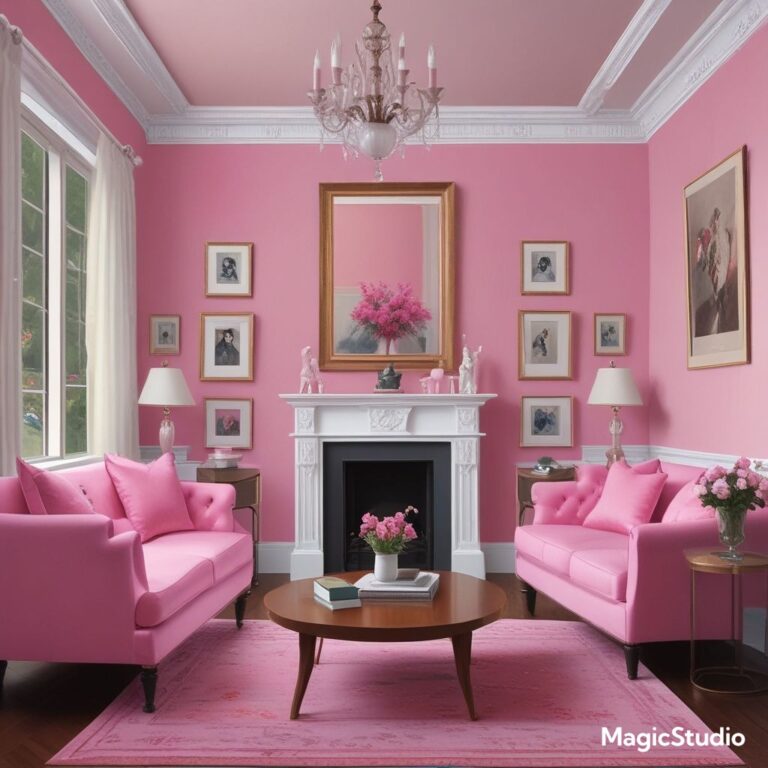
Color sets the mood. Warm tones create coziness; cool tones promise calm. Start with a dominant neutral, add one or two supporting hues, and choose an accent color for small items. This simple structure keeps the room flexible.
Lighting changes color perception. Test paint samples on different walls and observe them at various times of day. I’ve seen a gray that read serene in the morning turn muddy at midday—testing prevents surprises.
If you want longevity, use saturated or bright colors in accents rather than large surfaces. Pillows, an armchair, or a rug can carry a bold hue and be replaced more affordably later.
furniture selection: essentials and scale
Prioritize pieces you use daily: a comfortable sofa, a coffee table you can reach, and lighting over seating areas. Quality matters most for items that endure heavy use—sofas, rugs, and a primary table deserve investment.
Scale is the silent design dictator. Too-small furniture in a large room feels sparse; oversized items in a small room overwhelm. Measure wall lengths, walkways, and door clearances, and sketch a floor plan before buying.
Think modular and flexible. A sectional can be rearranged for different events, and ottomans can double as extra seating or a low table. When in doubt, choose pieces that multitask smoothly.
layout and traffic flow: arrange for life, not a magazine
Function first: position seating to support conversation and sightlines to focal points like a fireplace or TV. Avoid pushing everything against walls—floating arrangements create intimacy and better circulation.
Leave comfortable walkways. A minimum of 30 inches is a reasonable clearance through main paths, while 18–24 inches works for between coffee table and sofa. Use a tape measure to validate these distances in your space.
Consider sightlines from entry points. Your room should welcome people visually and physically; an awkwardly placed rug or coffee table can disrupt flow and feel like a daily annoyance.
lighting layers and mood setting
A single ceiling fixture won’t cut it. Layer ambient, task, and accent lighting to create flexibility. Recessed lights give general illumination; table lamps and floor lamps provide reading light; accent lights highlight art or architecture.
Dimmers are one of the most transformative upgrades you can add. They let a bright family morning shift into an intimate evening without changing bulbs or fixtures. I recommend installing dimmers on the main circuits where possible.
Pay attention to the color temperature of bulbs. Warm (2700K–3000K) feels cozy and flattering in living spaces, while cooler lights suit work zones. Keep consistency across fixtures to avoid a patchy look.
rugs and textiles: anchor and soften
Rugs define zones, add warmth, and protect floors. Size matters: a rug should ideally fit under at least the front legs of furniture in the seating area to visually tie pieces together. Too small, and it appears like an afterthought.
Natural fibers—wool, jute, cotton—offer texture and longevity, while synthetics can deliver stain resistance for high-traffic homes. I use a wool rug in my living room for its resilience and cleanability after family gatherings.
Layering textiles—throws, pillows, and a small area rug—adds depth. Vary pattern scales and textures to avoid monotony, but repeat at least one color across items for coherence.
walls, art, and creating focal points
Walls are your silent storytellers. A large piece of art can anchor a sofa; a gallery wall can display a mix of photos and objects. Consider scale and spacing carefully to maintain balance in the room.
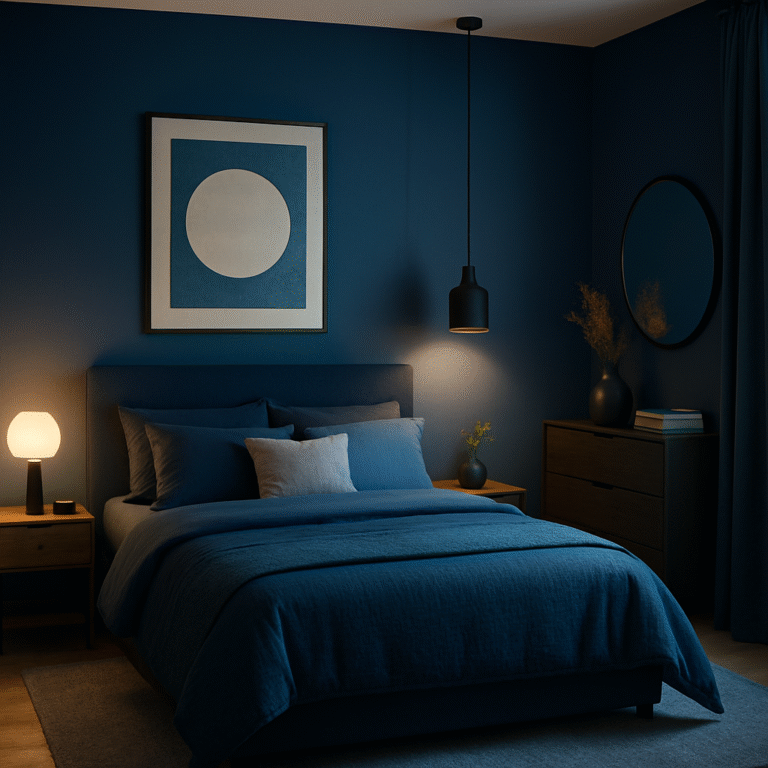
Paint and wall treatments can also create a focal area. An accent wall in a darker hue or a textured wallpaper behind a media console draws attention strategically without overwhelming the whole room.
Don’t feel obliged to hang everything at eye level or in a straight line. Staggered heights and unexpected placements—like a tilted frame—or a leaned painting on a shelf can feel modern and relaxed.
storage solutions and built-ins
Visible clutter is the fastest way a room loses charm. Built-ins and smart storage keep everyday items orderly and accessible without dominating the design. Closed cabinets hide mess; open shelves display curated items.
Mix storage types—baskets, cabinets, and media furniture—to suit different items. A low console behind a sofa doubles as a display and hidden storage in my house and keeps remotes and board games out of sight.
When designing built-ins, plan for cable management, adjustable shelves, and future electronics. Tailored storage pays off over time by making the room easier to maintain and adapt.
accessorizing with intention
Accessories should amplify function and character, not compete with it. Choose items that have meaning or that provide a sensory benefit—books you actually read, candles you burn, a tray for everyday keys and mail.
Use repetition and restraint. A few well-chosen objects in clusters of odd numbers feel intentional; too many small pieces turn into visual noise. Edit regularly and rotate items seasonally or as tastes shift.
Textural contrast is your friend. A polished metal lamp next to a woven basket and a soft throw creates a tactile trio that reads as curated rather than cluttered.
plants, scent, and living elements
Plants bring scale, color, and airiness. A tall, sculptural fiddle-leaf or a trailing pothos adds life to blank corners and softens hard lines. Choose plants that match your light conditions and care capacity.
Scent is subtle but powerful. A signature candle or diffuser can make your living room feel like home instantly. Rotate scents with seasons—lighter citrus in spring, warmer spices in fall—to keep the environment fresh.
Fresh flowers or seasonal branches make an inexpensive, high-impact statement. I keep a small vase on my coffee table and swap stems weekly; it’s a small ritual that elevates the whole room.
small-space strategies and multi-use rooms
In compact rooms, prioritize multifunctional furniture: sofas with storage, nesting tables, and wall-mounted desks can save floor space. Avoid oversized pieces that block pathways and visual flow.
Create zones with rugs and lighting rather than walls. A narrow console can define an entry while keeping the room open. Keep sightlines clear to make the space feel larger and more breathable.
Mirrors are underrated in small spaces. A well-placed mirror reflects light and extends sightlines, creating an illusion of depth without cost or construction.
planning for large rooms and zoned living
Large rooms benefit from deliberate zoning. Create distinct areas for watching TV, socializing, and relaxing by using furniture placement, rugs, and lighting to define each function. This keeps the room approachable and purposeful.
Scale up furniture thoughtfully. In a big room, a single small sofa will feel lost, while multiple seating clusters can foster different activities without crowding a single zone. Consider a library corner or a bar area as separate moods within the same space.
Architectural features—columns, beams, or an expansive fireplace—should be treated as anchors around which you build zones. Embracing these elements helps the room feel composed rather than cavernous.
budget-friendly upgrades that make a big difference
Paint, hardware, and lighting swaps are highly effective and affordable. Repainting trim or swapping drawer pulls transforms cabinetry and doors more dramatically than you might expect.
Shop secondhand and be willing to reupholster. A well-made vintage sofa can be re-covered for less than the price of a new mid-range couch and brings character that production pieces often lack.
Small changes add up: new throw pillows, a fresh rug, and rearranged art can refresh a room for a fraction of the cost of a full redesign. I once revitalized a whole living room for under $500 by focusing on textiles and lighting.
seasonal updates and holiday styling
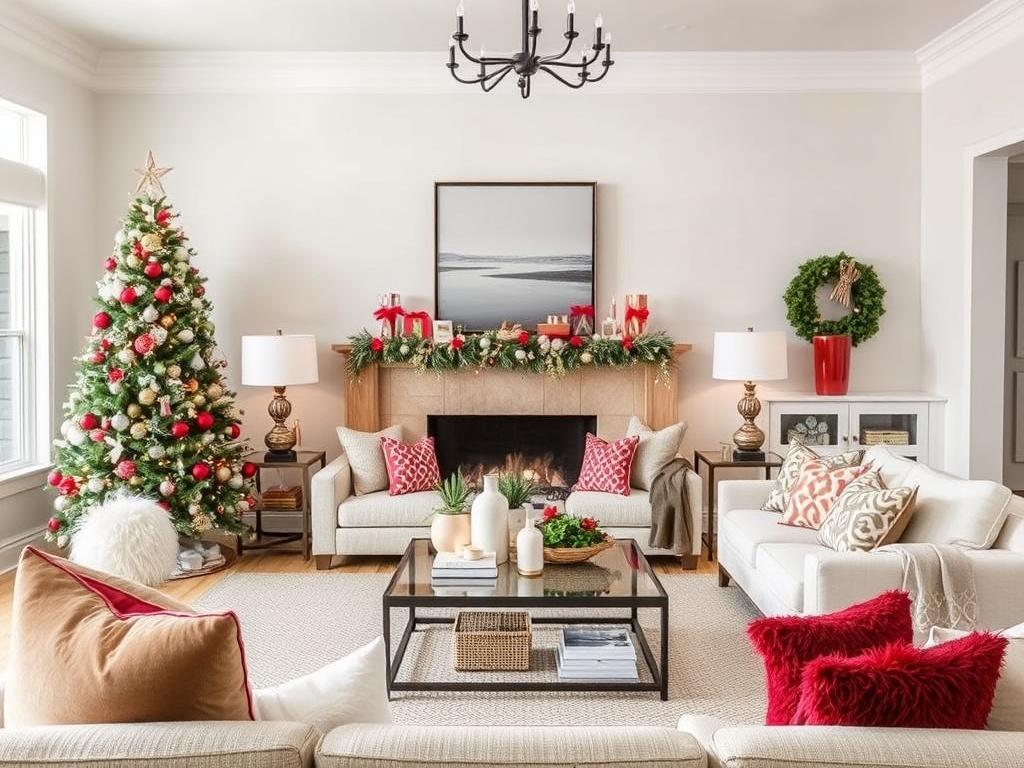
Switching small elements with the seasons keeps a room lively. Swap throws and pillows for different textures and colors, and bring in seasonal greenery to reflect the time of year without total overhaul.
Holiday decor should complement the existing style, not compete with it. I hang twinkling lights and a few handpicked ornaments on a sculptural plant instead of a full tree when space or time is limited.
Store seasonal items in labeled containers, and rotate them at the start of each season. This habit makes decorating less of a scramble and more of an enjoyable ritual.
maintenance, fabrics, and longevity
Choose fabrics and finishes that survive daily life. Microfiber and performance weaves resist stains, while leather ages gracefully with a wipe and a conditioner. Match your fabric choice to your household’s needs.
Develop cleaning routines that prevent wear. Rotate cushions, vacuum rugs weekly, and attend to spills immediately. Simple habits preserve investment pieces and keep the room feeling fresh.
Keep a list of service needs—reupholstery, wood refinishing, rug cleaning—and schedule them before issues compound. Preventive care saves money and preserves the room’s character.
sourcing, shopping smart, and negotiating value
Mix retailers: big-box stores for basics, local craftsmen for custom pieces, and vintage markets for personality. Each source offers different benefits; combining them yields variety and value.
When buying big-ticket items, test them in person if possible. Sit in sofas, open drawers, and inspect joints. If online, check return policies and delivery costs to avoid surprises.
Don’t be afraid to negotiate on custom work or secondhand finds. I once bartered repair work for a discount on a vintage cabinet, which saved money and created a relationship with a local craftsman.
common mistakes to avoid
Overcrowding is a frequent misstep. Too many items, even attractive ones, make a room feel chaotic and smaller than it is. Edit regularly and prioritize function over filling space.
Mismatched scale and poor lighting also undermine good design. Heavy drapery in a small room or a tiny rug in a large seating area disconnects the space visually; similarly, insufficient light flattens colors and textures.
- Avoid undersized rugs and oversized art for the room’s proportions.
- Don’t place a coffee table too close or too far from seating—measure for comfortable reach.
- Resist buying everything at once; live in the space and add pieces thoughtfully.
practical checklist for a room refresh
Having a clear checklist helps you move from ideas to action. Focus on measurement, function, and a timeline for purchases and installations to avoid drawn-out projects.
Use this short checklist to run through decisions before buying: measure space, note lighting, pick a primary fabric, choose a rug size, and test paint samples. These steps reduce mismatched purchases and returns.
- Measure walls, windows, and traffic paths.
- Create a mood board of images and colors.
- Select a dominant furniture piece and build around it.
- Test paints and textiles in situ.
- Layer lighting and add key accessories last.
rug size guide
Choosing the right rug size is a common challenge. The correct dimension anchors seating and balances the room; the wrong one undermines even good furniture arrangements.
Below is a simple reference table that helps match rug dimensions to common room layouts. Use it as a starting point and adjust based on your furniture scale and room proportions.
| Room size / layout | Recommended rug size | Notes |
|---|---|---|
| Small seating area | 4′ x 6′ to 5′ x 8′ | Front legs on the rug; keeps the area cozy |
| Standard living room | 8′ x 10′ to 9′ x 12′ | All front legs on rug or all furniture on rug for unity |
| Large open plan | 10′ x 14′ or larger | Use multiple rugs to define zones |
real-life examples and lessons from my projects
In one small apartment project, we converted a wide hallway into a reading nook by adding a slim chaise and a wall sconce. The change cost little but dramatically improved function and coziness. These small decisions compound.
For a family room I designed, we selected a darker, performance fabric for the sofa and balanced it with lighter throw pillows. That combination hid wear and brightened the space. Practical choices don’t have to look utilitarian.
Another client loved patterned textiles but panicked about clashing. We tied the patterns together with a single repeated color and used solid cushions to calm the mix. Intentional repetition turned a potential mess into an expressive, cohesive room.
maintenance checklist for long-term enjoyment
To keep a living room welcoming, schedule a few maintenance tasks seasonally. Vacuum and rotate rugs every few months, clean upholstery as recommended, and test smoke and carbon detectors near living spaces.
Create a simple maintenance binder with product care instructions and service contacts. When you need to treat leather or steam clean a rug, the information is easy to find and follow.
Replace bulbs and check dimmers annually; a flickering fixture can make a room feel tired. Small maintenance habits prevent aesthetic decline and extend the life of your investments.
final thoughts on creating a lasting living space
Designing your living room should feel like assembling a toolkit for daily life—comfortable seating, layered lighting, meaningful objects, and practical storage. When these elements work together, the room breathes and supports living rather than demanding maintenance.
Be patient with the process. A thoughtfully furnished room rarely happens overnight. Live in the space, observe how you use it, and make incremental changes that reflect real needs and evolving tastes.
Above all, aim for a room that invites you in. When a space fits your routine and reflects the people who use it, it becomes quietly confident and unmistakably yours—one small edit at a time.