Refresh your space: creative home decor ideas that really work
Turning a house into a home takes more than a few purchases — it requires thinking, editing, and a touch of personality. This guide gathers practical, stylish approaches that make rooms feel finished without breaking the bank or following fleeting trends. Read on for layered strategies, room-by-room suggestions, and small experiments that yield big results.
Start with a plan: principles that guide good decorating
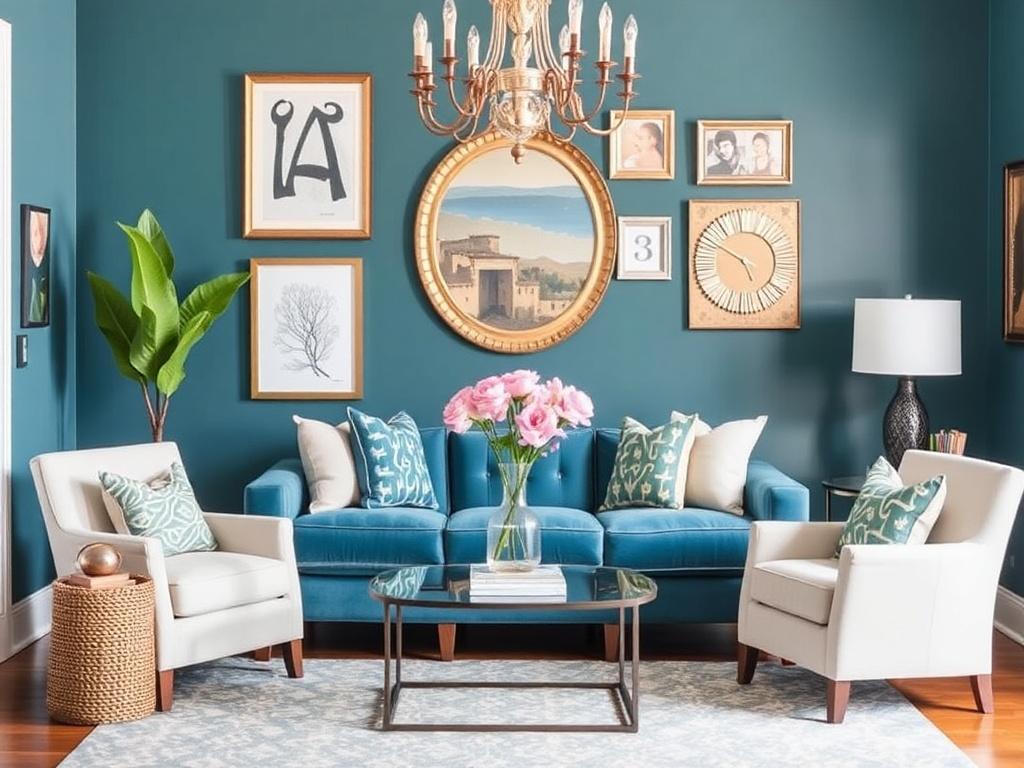
Before buying fabric swatches or a new sofa, take stock of how you actually live. Identify what you need from each room — work, rest, play — and let those functions shape layout and materials rather than forcing style to solve practical problems.
Scale and proportion are the quiet rules of a well-balanced room. A too-small rug or an oversized lamp disrupts flow; measure twice and imagine sightlines before committing. Visual balance also includes color and texture, not just size.
Think of lighting layers as the spine of a design. Ambient, task, and accent lighting create depth and flexibility, allowing a space to move from bright and productive to dim and intimate without changing any furniture. Lighting choice influences mood as profoundly as paint color.
Color and paint: how to pick hues that last
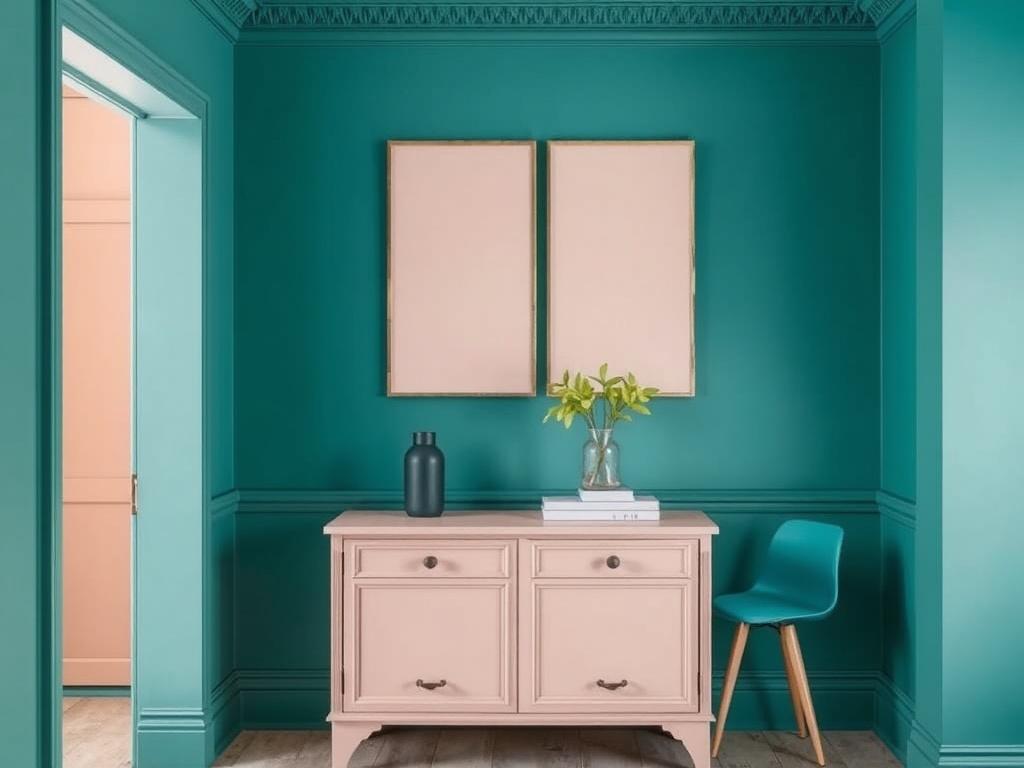
Color sets the emotional tone of a room; warm palettes feel cozy while cool palettes suggest calm. Instead of following a single color trend, choose a dominant neutral and add two complementary accent shades for longevity and flexibility.
Test paint samples at different times of day. A shade that looks elegant under soft morning light may appear harsh under midday sun. Apply 2-foot swatches on multiple walls and live with them for a week before making a final decision.
Consider finish as part of your color choice. Matte finishes hide imperfections and read as modern, while eggshell or satin provides slight sheen and cleanability — useful in high-traffic zones. Save gloss for trim and cabinetry to highlight architectural details.
Choosing paint finishes
Paint finishes affect durability and appearance, so match them to function. High-gloss is durable and wipeable but shows every brushstroke, making it best for trim or doors. Eggshell and satin offer a gentle sheen that resists scuffs while remaining forgiving.
Flat and matte finishes conceal wall irregularities and produce a sophisticated, soft look. Use them in low-traffic areas like bedrooms and formal living rooms. Avoid matte in places where spills are frequent, since cleaning can damage the finish.
Lighting strategies that transform rooms
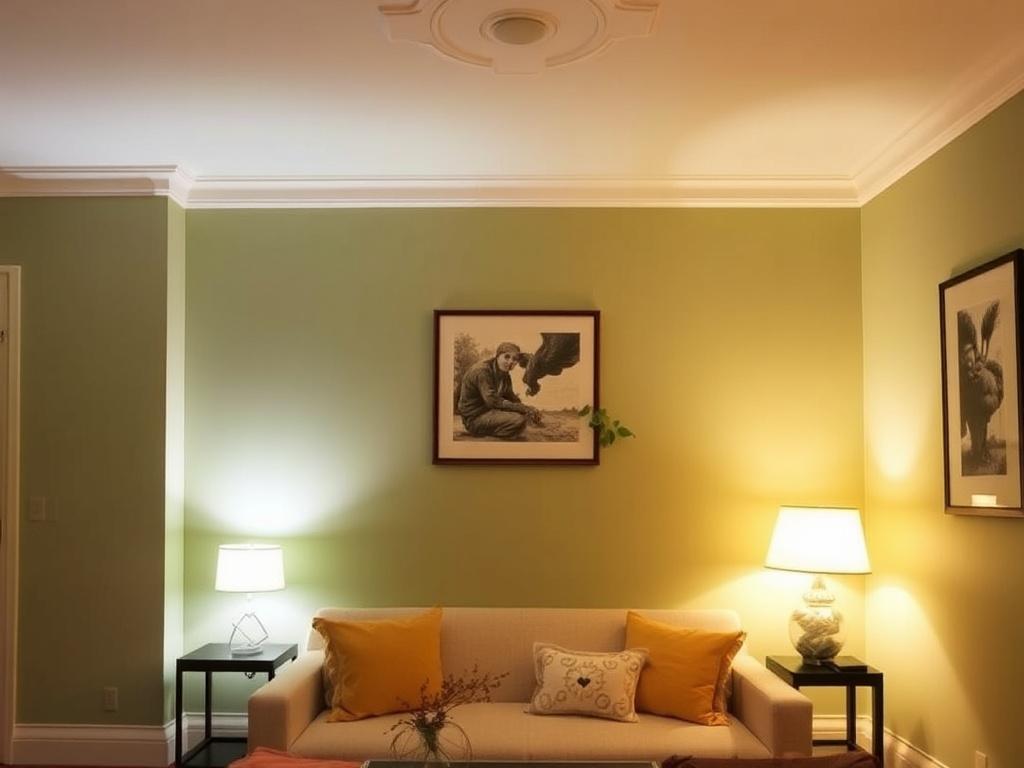
Good lighting goes beyond a single overhead fixture. Combine general lighting with task lights where people read, cook, or work, and add accent lights to highlight art or architectural features. Layered lighting allows you to tailor ambiance to the moment.
Dimmer switches turn ordinary lighting into a tool for atmosphere. Installing dimmers on main sources gives you control over everything from movie-night glow to bright morning energy. Smart bulbs and scenes extend that control to preset moods at the touch of a phone.
Choose bulbs for color temperature as carefully as for brightness. Warm light (2700–3000K) flatters skin tones and wood finishes, while cooler light (3500–4100K) enhances clarity in kitchens and workspaces. Keep a consistent temperature within connected areas to avoid a disjointed feel.
Furniture and layout: arranging for comfort and flow
Function dictates placement more than symmetry. In living rooms, arrange seating around conversational focal points rather than aligning everything to face a TV by default. Floating furniture away from walls often creates a cozier conversation area and better flow.
Measure and mock up layouts before you buy. I once ordered a sectional that seemed ideal online, only to discover on delivery that it blocked a primary walkway. Sketching or using an app saved me from repeating that mistake for future purchases.
Quality over quantity wins in small spaces. Choose multifunctional pieces — a storage ottoman, a drop-leaf table, or a sofa bed — that serve needs without crowding. A single well-made sofa will outlast several trendy, cheaply made alternatives and offers greater comfort.
Smart choices for small living rooms
In compact rooms, prioritize sightlines and light. Low-profile seating keeps ceilings feeling taller, while legged furniture lets light pass beneath and reduces visual weight. Avoid too many pieces in a small area; fewer, right-sized items will feel airier.
Use rugs to define zones, even when a room performs multiple duties. A rug under the seating area anchors the conversation zone, while a runner or small mat can designate entry or reading corners. Choose sizes that allow furniture to sit partially on the rug for cohesion.
Textiles and texture: the touchable layer
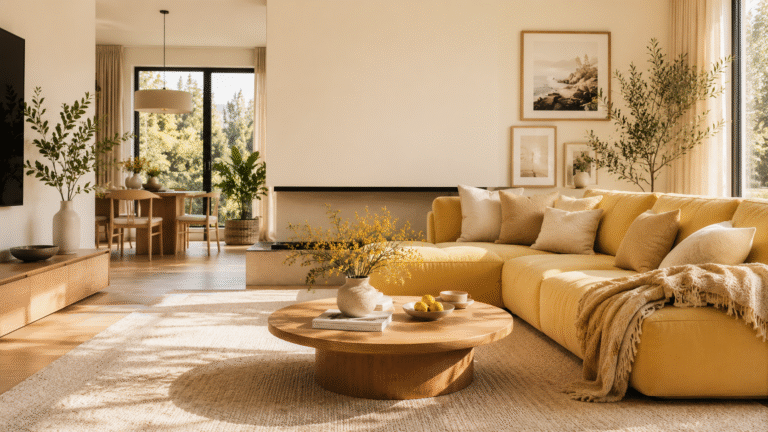
Texture gives rooms tactile interest when color is restrained. Mix materials — linen curtains, a wool throw, a woven basket — to create depth that invites touch. Textural variety keeps a neutral palette from feeling flat.
Changeable textiles are the easiest way to refresh a room seasonally. Swap heavier throws and velvet pillows in winter for lighter cottons and linens in summer. This small edit transforms comfort and visual temperature without major expense.
Layer rugs for warmth and character. A sisal or jute base provides structure, while a softer rug on top adds comfort underfoot and a focal point. Be mindful of scale and color contrast so layers feel intentional rather than cluttered.
Window treatments that control light and frame views
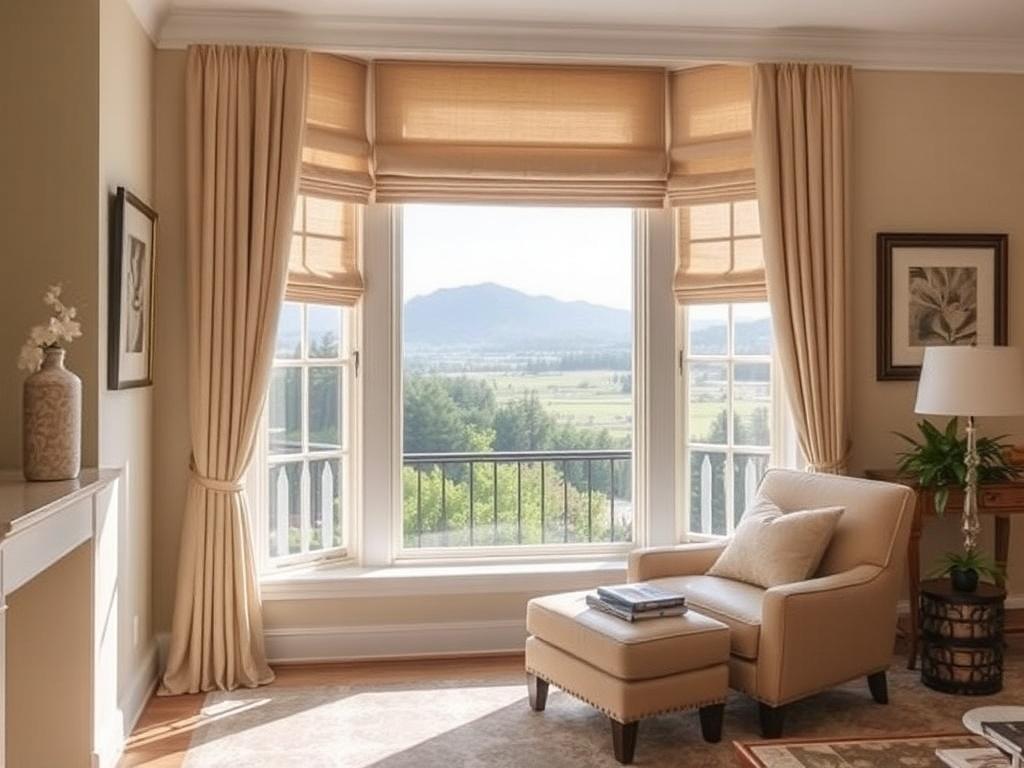
Window coverings do more than block light; they define architecture and protect furnishings from sun damage. Floor-to-ceiling curtains visually raise ceilings, while blinds and shades offer more precise light control for functional spaces.
Mount curtains close to the ceiling and extend rods beyond window frames to maximize perceived size. Even a modest extension makes windows read larger and allows natural light to pour in when curtains are open. Fabric weight and print should correspond to the room’s formality.
For privacy-sensitive rooms, consider layered treatments: a sheer panel for daylight privacy plus a heavier drape for nighttime. This combination gives you flexibility without compromising style or view.
Flooring and rugs: anchoring the room
Flooring is one of the longest-lasting design decisions you’ll make, so think beyond the immediate trend. Hardwood and quality engineered planks age well and can be sanded and refinished, while modern luxury vinyl offers resilience for active households and pets.
Rugs define and protect. In dining rooms, choose a rug large enough for chairs to remain on the surface when pulled out. In living areas, aim for a rug that allows furniture to sit partially on it or at least for the front legs to anchor on top.
Rug sizing quick reference

| Room | Minimum rug guideline |
|---|---|
| Living room | Large enough for front legs of seating to sit on rug; 8×10 or larger for most |
| Dining room | Rug should extend 24 inches beyond the table on all sides |
| Bedroom | Rug under the bed that extends at least 18–24 inches on sides and foot |
Storage solutions that look intentional
Visible clutter kills a room’s calm, so blend storage into your design. Built-ins provide a seamless look but are an investment; freestanding pieces like credenzas and bookcases can achieve a similar visual anchor with flexibility.
Use baskets and boxes to corral small items on open shelving. Choose containers in consistent materials or colors to reduce visual noise. When everything has a home, tidying becomes a five-minute task instead of a major chore.
Behind-the-door organizers, multipurpose benches, and under-bed drawers are small interventions that significantly increase usable space in apartments and small homes. I’ve kept seasonal clothing accessible by storing off-season items under beds, freeing closet space for daily wear.
Kitchen and dining: practical style for everyday life
Counters and cabinets should balance form and function. Opt for durable, low-maintenance materials where you cook most often, and reserve decorative tile or open shelving for accents that contribute personality without demanding constant care.
Open shelving makes kitchens feel lived-in but requires discipline. Display items should be both pretty and functional — good-looking dinnerware, glassware, and a few favorite cookbooks. Keep heavier or ugly appliances tucked behind cabinet doors.
Lighting over a kitchen island is both task-oriented and decorative. Pendant lights can provide direct illumination for prep while serving as focal design elements. Choose fixtures sized for the island and hung at the correct height to avoid glare.
Bedroom design for better sleep and style
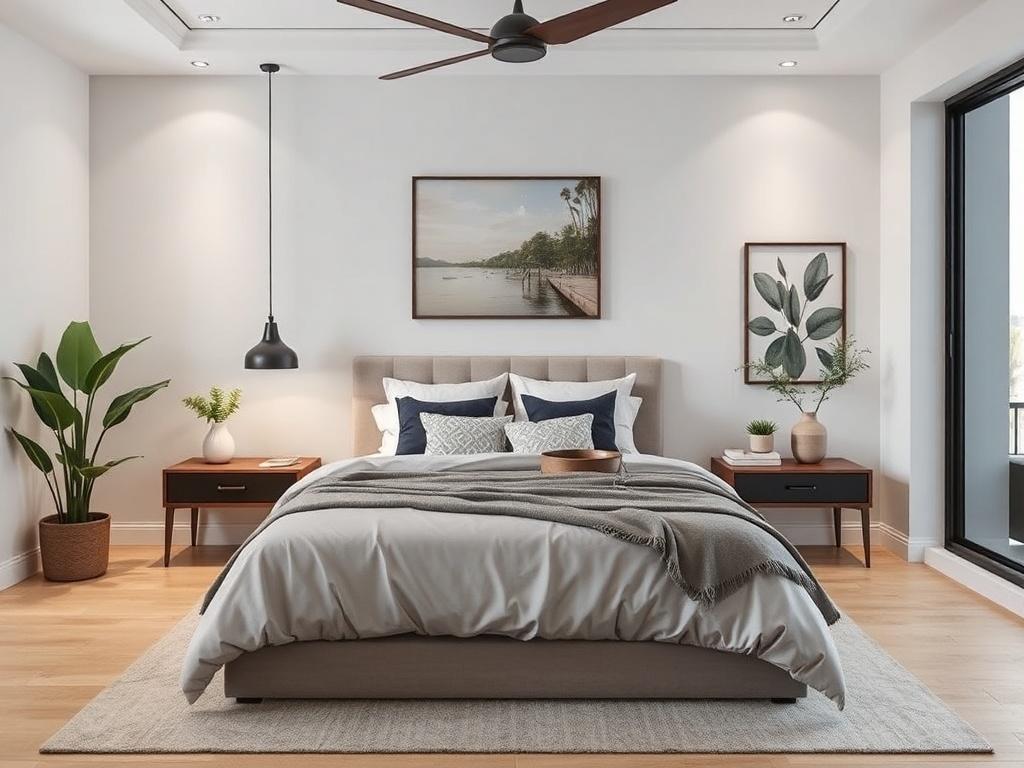
The bedroom should prioritize comfort and low visual stimulation. Soften electronic distractions and favor materials that encourage restful routines: breathable linens, blackout shades, and a supportive mattress. Design decisions should support sleep, not compete with it.
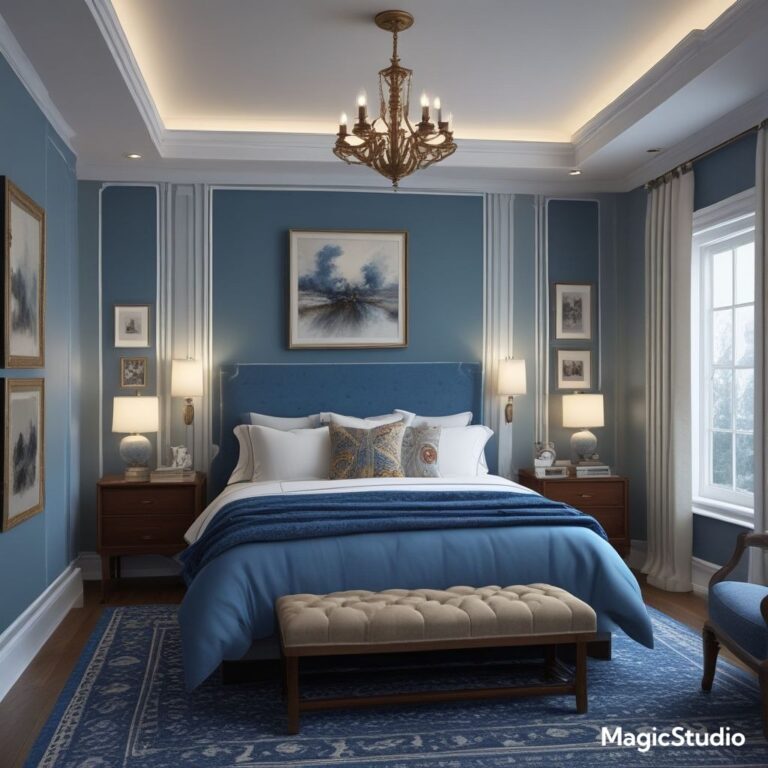
Headboards make beds feel intentional and anchor the room. Upholstered headboards add softness and can be a canvas for color or texture, while wooden or metal headboards suit minimalist or industrial schemes. Center bedside lighting to free up surface space.
Keep a small shelf or dresser nearby for essentials and a low-key habit like a nightly book or water glass. Clutter on nightstands disrupts serenity; use storage solutions to keep surfaces calm and functional.
Bathrooms that balance spa-like calm with durability
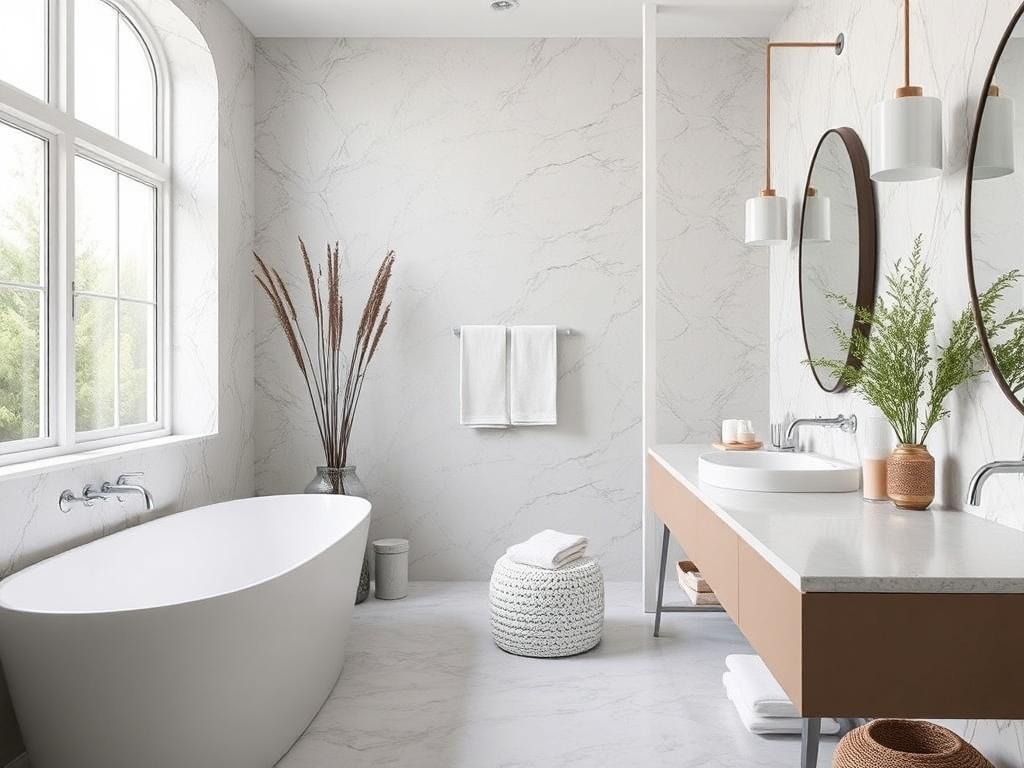
Bathrooms can feel luxurious without celebrity-level expense. Key moves: invest in good tile and reliable fixtures, keep grout lines minimal where possible, and add warm lighting near mirrors for flattering, practical illumination. Towels and bathmats are the easiest way to inject pattern and color.
Open shelving in bathrooms works best with a curated approach. Store rolled towels, attractive containers for toiletries, and a small plant to soften tile surfaces. If space is tight, consider recessed niches in showers for neat storage that reads as purpose-built.
Replace hardware for a quick update. New faucets, drawer pulls, and a modern mirror transform a dated vanity without replacing major elements. I refreshed an old rental bathroom simply by swapping out finishes and adding a shelf above the toilet for plants and storage.
Art, mirrors, and wall treatments that express personality
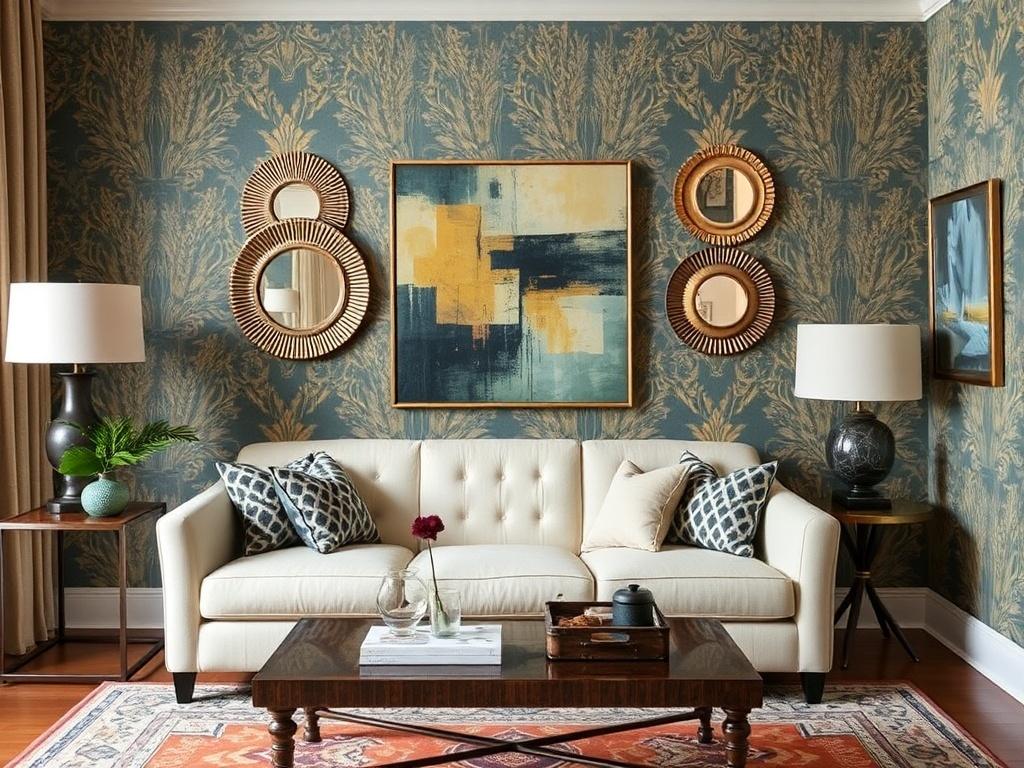
Art personalizes a space more distinctly than any trend-based cushion. Start with one meaningful piece and build a small collection around it, or create a gallery wall that mixes frames, art, and personal photos for a layered, collected look.
Mirrors do double duty: they expand light and open up tight corners. Place a mirror across from a window to amplify daylight, or use a tall mirror to create an illusion of height in a narrow hallway. Choose frames that complement the room’s texture palette.
Consider alternative wall treatments beyond paint: beadboard, wainscoting, and wallpaper can add immediate character. A single accent wall clad in patterned paper or textured plaster can refresh a room without committing to full-room installation.
Gallery wall tips
Lay your arrangement on the floor first to test spacing, scale, and alignment before committing nails to drywall. Use a consistent spacing (for example, two to three inches) between frames and aim to keep the center of the arrangement at eye level for a natural focal point.
Mix frame styles sparingly and unify with a shared element — similar mat sizes, a consistent frame color, or a recurring theme in the artwork itself. This keeps the display eclectic yet cohesive.
Green design: plants and eco-friendly choices
Plants bring air quality benefits and a calming presence. Choose species suited to your light conditions: snake plants and pothos tolerate low light, while fiddle-leaf figs and succulents need brighter spots. Group plants to create a mini indoor landscape with varying heights and textures.
Sustainable materials matter. Look for furniture made from FSC-certified wood, low-VOC paints, and natural fabrics like cotton or linen. Choosing durable pieces over disposable trends reduces waste and often saves money in the long run.
Repurposing existing pieces is both green and character-rich. An old dresser can become a bathroom vanity, and reclaimed wood can be fashioned into a new shelf. These choices add patina and a story to your home.
Seasonal styling: small changes, noticeable effects
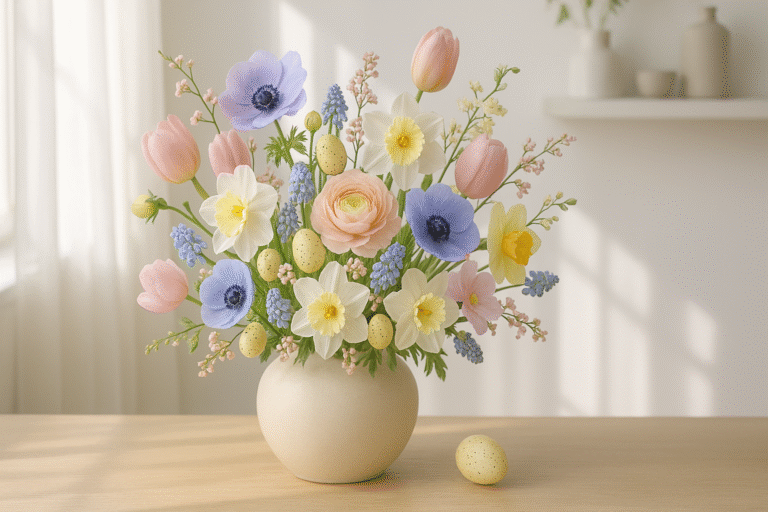
Rotate textiles and accents to reflect seasonal needs. A few cushion swaps, a lighter throw, and a change in centerpiece flowers renew energy without a major overhaul. Seasonal edits make a space feel cared-for instead of static.
Lighting and scent are surprisingly effective for seasonal mood shifts. Warmer bulbs in winter, citronella candles in summer, and a switch in diffuser oils give each season its own sensory signature. These low-effort swaps keep the home feeling fresh.
Budget-friendly decorating: big impact, small cost
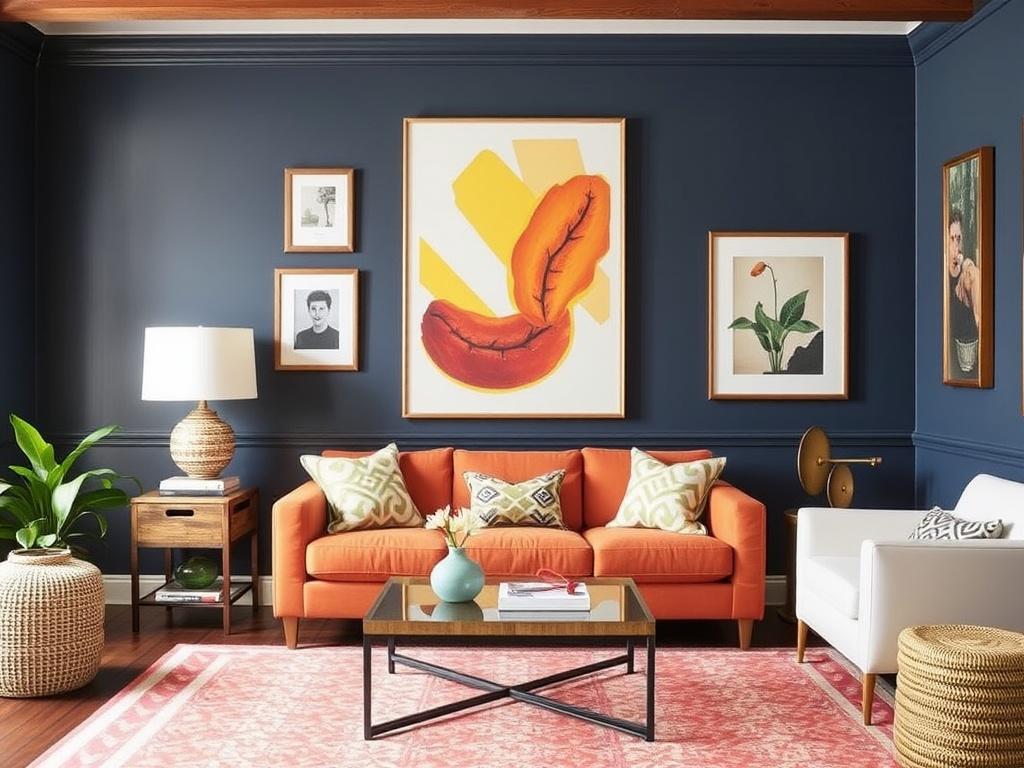
Thrift stores and flea markets are treasure troves if you go with a plan. Search for solid wood furniture with good bones that you can sand, paint, or reupholster. A fresh coat of paint and new hardware can make a decades-old piece feel contemporary.
DIY projects stretch dollars and personalize your home. Simple projects — painting an accent wall, sewing pillow covers, or refitting an old frame — can transform a room in an afternoon. I learned to upholster a chair back from online tutorials, and the result became a conversation piece worth far more than the time invested.
Shop intentionally for statement accents and use neutral base pieces that can be updated with accessories. Investing in a durable sofa and swapping inexpensive pillows, rugs, and art over time keeps costs manageable while allowing for seasonal change.
Texture and pattern mixing made easy
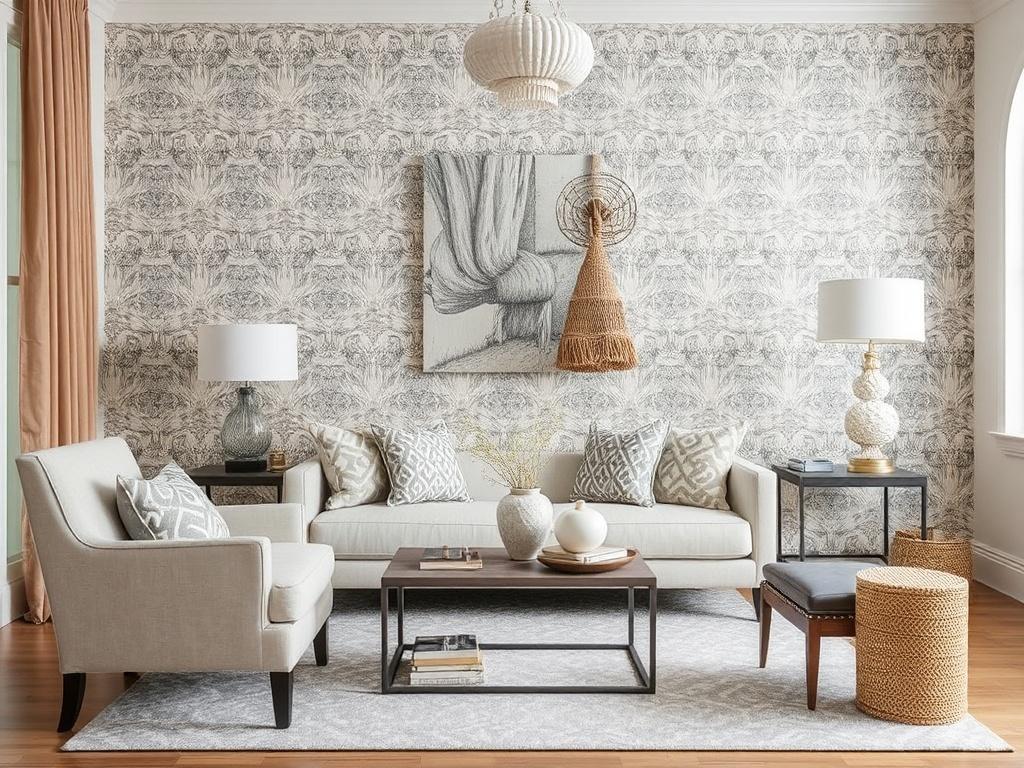
Patterns create personality, but balance is key. Start with a dominant pattern, then introduce two smaller-scale patterns in coordinating colors. Anchor them with solid textures — a leather chair, a knitted throw — to keep the room grounded.
When in doubt, match pattern contrast to the room’s energy: high-energy spaces can tolerate bolder, larger patterns, while serene spaces benefit from subtle, smaller repeats. Neutral palettes allow for adventurous texture mixing without visual overload.
Rooms that multitask: flexible design for modern life
Homes increasingly need to accommodate work, school, and family life. Create clear zones using furniture placement, rugs, and lighting so that each activity has a dedicated spot. This separation helps mentally shift between modes without major rearrangements.
Fold-away solutions and mobile furniture add adaptability. A rolling cart can serve as a desk, bar, or plant stand; a wall-mounted drop-leaf desk folds away when not in use. Prioritize solutions that disappear from view to preserve aesthetic harmony.
Checklist for a multifunctional room
- Define zones with rugs or furniture arrangement
- Choose storage that closes (cabinets, baskets) to hide work materials
- Use task lighting for each activity area
- Keep a consistent color palette to unify the space
Entryways and hallways: first impressions that perform
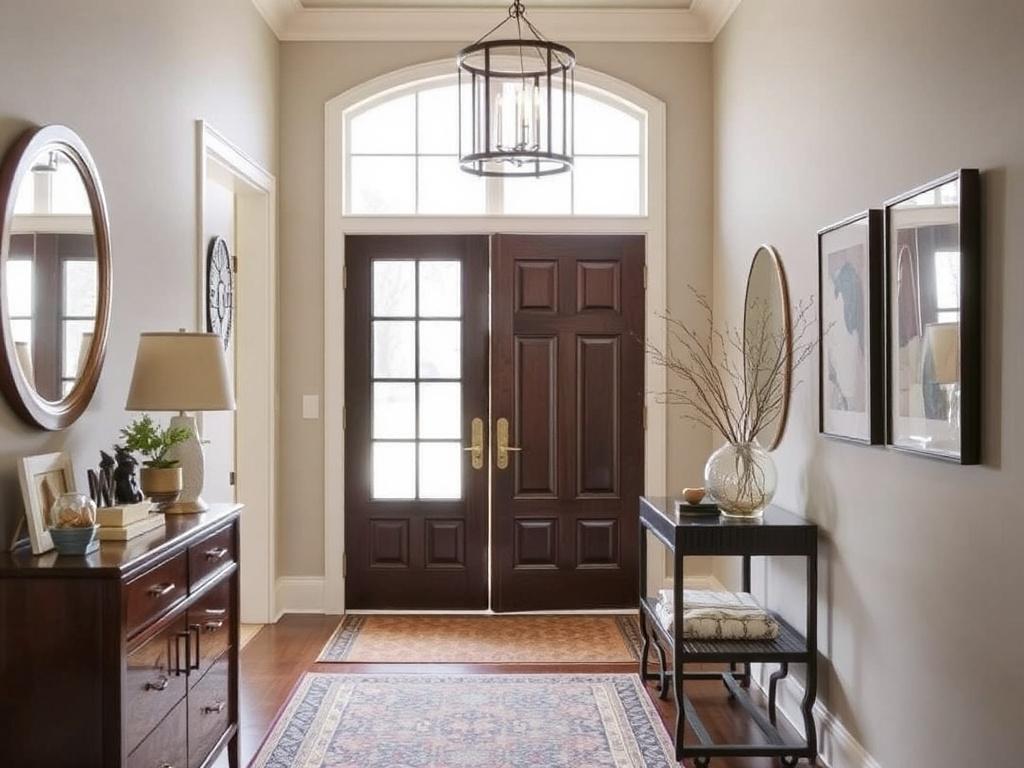
Entry spaces set expectations for the rest of the home. A narrow console, mirror, and a catchall tray provide functionality without clutter. Include a small seat or stool when possible to aid shoe changing or temporary storage.
Runners and wall hooks protect surfaces and guide flow down hallways. Use durable finishes in high-traffic corridors and choose art that invites entry rather than overwhelming the approach. A thoughtful entry promises the same restraint and warmth inside.
Personalizing without overfilling: the art of editing
Editing is the final act of decorating. Once you’ve layered color, textiles, and accessories, step back and remove any element that doesn’t contribute to function or feeling. A room with fewer, well-chosen objects reads as curated rather than cluttered.
Rotation keeps a collection lively: tuck away certain pieces seasonally and reintroduce them later. This practice allows every item its moment and preserves novelty without constant purchasing. I rotate artwork and accents every few months to keep my space engaging and refreshed.
Hiring help: when to call a professional
Consider professionals for structural changes, complex lighting and electrical work, or when you want a cohesive plan executed quickly. Interior designers can translate personal taste into a functional plan and steer purchases to avoid costly mistakes.
If budget is a concern, many designers offer consults by the hour for shopping advice or layout reviews. A single professional session can save time and money by preventing incompatible purchases and providing a clear direction to follow.
Final tips and starter to-do list
Begin with purpose: write down what each room must achieve for your lifestyle before purchasing anything. This simple habit curbs impulse buys and focuses decisions on both aesthetics and functionality.
Measure everything and test finishes in situ. Small measurement mistakes compound into large expenses, while testing paint and textiles at home avoids unpleasant surprises. Take time in the planning stage to make the rest of the decorating process smoother.
Keep a running inspiration folder — photos, fabric swatches, paint chips — to refine your direction over time. Decorating is a gradual process; the best rooms evolve, reflecting accumulated choices made with care rather than a single impulsive haul.
Decorating is as much about decisions you don’t make as the ones you do. With a few guiding principles, selective investments, and small hands-on projects, your home can become a comfortable, personal, and flexible place that serves your life. Try one change this week — swap a lamp, hang a mirror, or clear a surface — and observe how even modest edits alter your experience of the space.